A cozy afternoon, a queer horror story, and a surprising reflection
Setting the Scene
Hello, patrons of The Last Page Tavern.
It’s Trevor, the, I want to say, proprietor or better put the tavern keeper.
As I recorded myself, after the last page, I was drinking a cup of Hazy Peach White Tea. It came from one of my subscription boxes, Caffeine and Legends. It is a great service, just a little out of my price range right now. Nothing beats laying in bed at four o’clock in the afternoon, on an overcast, cloudy, chilly day. I’ve got one of the windows open, and a gentle cool (okay lets be honest cold) breeze comes in. At my feet is Willow, and in a cat bed on my second dresser is Dante. So I am surrounded with good vibes and pretty kitties.
Nothing feels better than being comfy and cozy at home and finishing a book. I just finished my the book and nothing feels more rewarding then finishing a novel.
Finding the Book
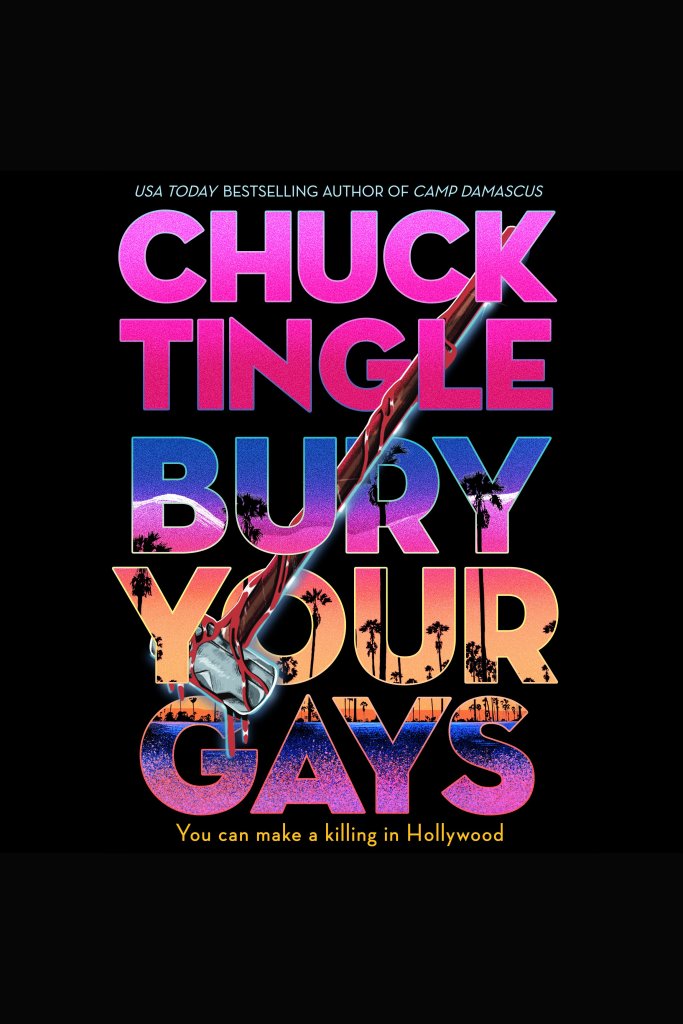
The book I just finished was Bury Your Gays by Chuck Tingle
Okay, let me back this up. I was looking for books at the library. I’d gone on Friday after finishing In the Woods by Tana French. I’ll link that review (In the Woods by Tana French). I went to return my three books and figured I’d pick something new up. The library near my apartment is pretty small, just a few hundred books, which as I write sounds wild to say that a couple hundred books is small, but Buffalo branches have a LOT of books.
I had no clue what I was wanted, so I started browsing the small fiction section, looking for something mystery or detective-related, or just a cover that caught my eye. But in a moment of realization, I remembered that I’d recently seen a Goodreads banner about “The Best Horror Books of the Past Decade.” It listed four to six books for each year, and among them, Bury Your Gays was listed. I had heard of Chuck Tingle before, for those who don’t know, he’s written Trans Wizard Harriet Porber and the Bad Boy Parasaurolophus, Blown by This Handsome Sentient Bubblegum Who Is Also a Successful Landscape Architect, and Pounded by the Physical Manifestation of the Shocking Massive Importance of Pre-Orders When Supporting Authors You Enjoy in the Traditional Publishing Industry. Please take a second to look up these books, you will come back and thank me.
From my research I’d heard he writes queer stories, and this one just caught my eye. It is queer, it is horror, and the cover is pretty. So I picked up it up, and two other books along with it and went home to start reading.
The description from Goodreads is below.
Misha is a jaded scriptwriter who has been working in Hollywood for years, and has just been nominated for his first Oscar. But when he’s pressured by his producers to kill off a gay character in the upcoming season finale―”for the algorithm”―Misha discovers that it’s not that simple.
As he is haunted by his past, and past mistakes, Misha must risk everything to find a way to do what’s right―before it’s too late.
A Panel That Changed My Perspective
At Fan Expo Canada 2025, I went to a panel called “Queer Horror.” I thought it would be about movies, but it turned out to be a discussion with local authors about queer horror in literature — how horror looks at life in a critical way.
Night of the Living Dead isn’t really about zombies; it’s about racism. Texas Chainsaw Massacre is about the meatpacking industry. Halloween is about negligence.
Horror is a question, and it’s also an answer. It’s a metaphor.
That’s what queer horror is — it’s not just gay people in horror stories; it’s about representation, origin, trauma — everything that makes queer identity what it is.
There is an essay that I could write, for I know there are many out there, about queer horror but I wanted to keep it short and simple.
The Story
That’s what this book is about.
It’s about a screenwriter who writes horror villains that are oddly inspired by his own life. Of the three the easiest one to connect is the one called “The Black Sheep.” Outside of the obvious symbolism, this ties back to a traumatic moment in his past when he was hurt, and a baby sheep approached him. If you have ever seen Captain Marvel and know who Goose is, you will basically understand what this little black sheep is.
He also has a villain called “The Smoker,” a curse that kills you after five days if you don’t give him a light for his cigarette. You find out that his uncle watched him for five days once, discovered he was gay, and threatened to tell his mom if he didn’t do everything he said. She was gone for five days, the curse takes five days to come and kill him.
I enjoyed the book, the connection was not “Oh this villain was made because of this one thing” but was in turn introducing the creature and then giving a cutscene from his childhood that we had to do the work to connect.
It was horror, sure, a piano fell on a man’s head and smushed him like a cartoon. There was the horrifying kills that occurred but it felt more like commentary.
The Meaning Behind the Horror
“Gay doesn’t sell.” That’s a big thing in the industry, and the book takes that head-on. It is the whole reason the events take place. The main character wants a gay kiss on his television show, but the studio says “they kiss, they have to die. OR they can live and be straight.”
It was especially interesting to read this after that panel, because it hit the same points: queer people are allowed to exist in stories, but often they’re punished for it. The “bury your gays” trope means that even if characters are allowed to be gay, they usually have to die, often early, or in some tragic, third-act moment. This book plays with that idea. The character’s queerness isn’t just a side note, it’s a plotline. When you’re closeted and fighting for your identity, there’s an internal battle, and that comes through here.
The villain of the story, though, isn’t really a person, it’s corporate America. It’s the movie industry, publishing, and gay erasure itself.
At first, I thought the main character was cursed, that’s why people were dying and his creations were coming to life, but no. It reminded me of Big Hero 6, with the whole nanobot concept. The “villain” is a similar corporate creation, these machines making horror come to life for profit. The book basically hands you the metaphor on a silver platter. I liked that. Not every story has to be subtle. Sometimes, you want that middle ground between fiction and metaphor, books that are clearly about something. That’s where this one shines.
Tone, Style, and Final Thoughts
It’s not that scary, not very gory, kind of campy gay horror. Something you’d enjoy for its fun and meaning, not because it’ll keep you up at night. It reminded me of Death of a Unicorn, kind of silly, but with a real message underneath. That’s what this felt like. Wouldn’t read it again, but I’d recommend it to fans of queer fiction. I could also clearly see this written to become a film, I think it would capture queer hearts.
It captures the shame queer people feel, but keeps things light and ends happily. The writing style was quick, easy to read, and cinematic. It even shifts between styles — part of it reads like a movie script with character labels and stage directions, then it jumps into memories and standard narration. It felt fresh and lively, serious enough without taking itself too seriously.
Overall, I’d give it a solid 3.5 stars. Not groundbreaking, but not bad, meaningful, quick, and impactful.
About Chuck Tingle
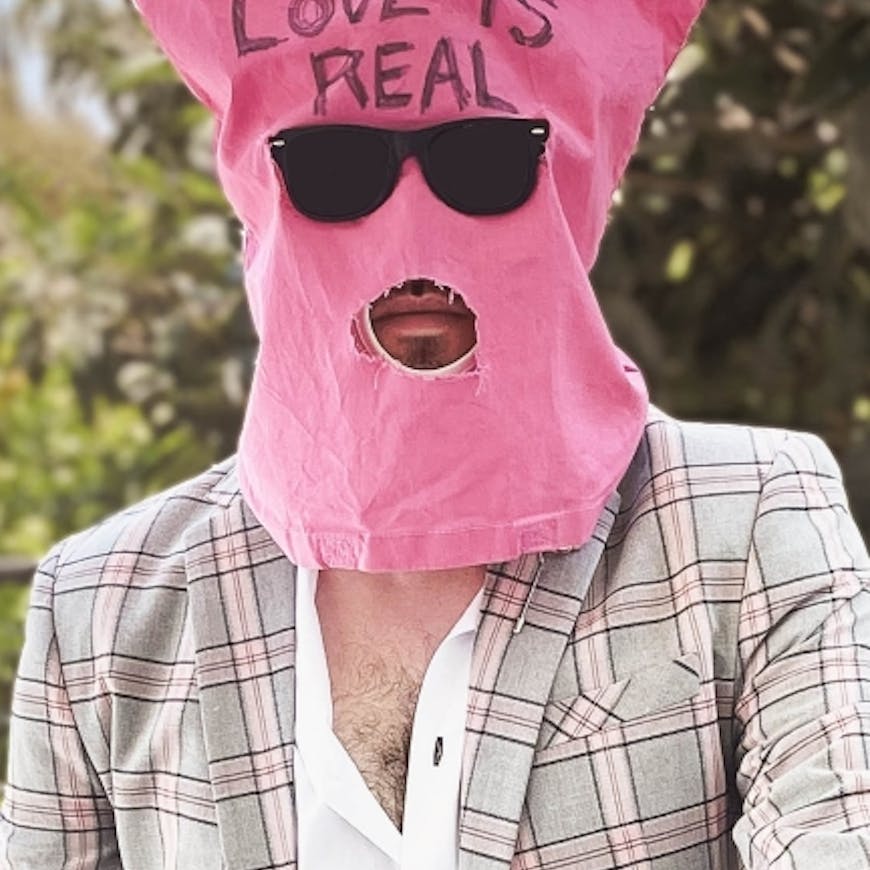
I’d read more from Chuck Tingle. He has other non-erotica books, and he’s an interesting guy. He wears a pink bag over his head with sunglasses and a ski mask to keep his identity secret, and he’s from a place called Home of Truth, Utah, which just feels Mormon. I’d love to research him more, maybe even do an interview someday.
If you want to read Bury Your Gays, I recommend it. It’s an easy, engaging read.
Reader Reactions
I looked around Reddit to see what others said, not much there, but one person said something that stuck with me:
“How does an author who embodies goofy, extreme parody write this well?”
Someone else compared him to Adam Sandler, 99% of the time he’s wild, but that 1% of the time, he channels it into something surprisingly good.
Would I read his other books? Yeah, I think so. He self-publishes the weirder, more erotic ones, which some people dismiss, but that doesn’t mean they’re not real books. If you write it, it’s a book, more than most people can say.
I’d probably try Camp Damascus, Straight, and Lucky Day.
It’s nice seeing representation, people like me, but also people not like me. I want stories about other voices too, other communities that deserve to be seen. Representation matters.
Signing Off
But yeah… I’m tired. That’s all I’ve got for now.
 The Last Page Tavern
Leave a comment